










Riding the Tube vs Floating the Needle: Which Tattoo Technique Is Right for You?
If you've spent any time learning to tattoo, you've probably run into this question: should you ride the tube or float the needle? It sounds like a small detail, but the choice between these two techniques has a real impact on your line quality, stencil visibility, and overall control. Whether you're just starting out or looking to level up your skills, understanding the difference is essential.
What Does Riding the Tube Mean?
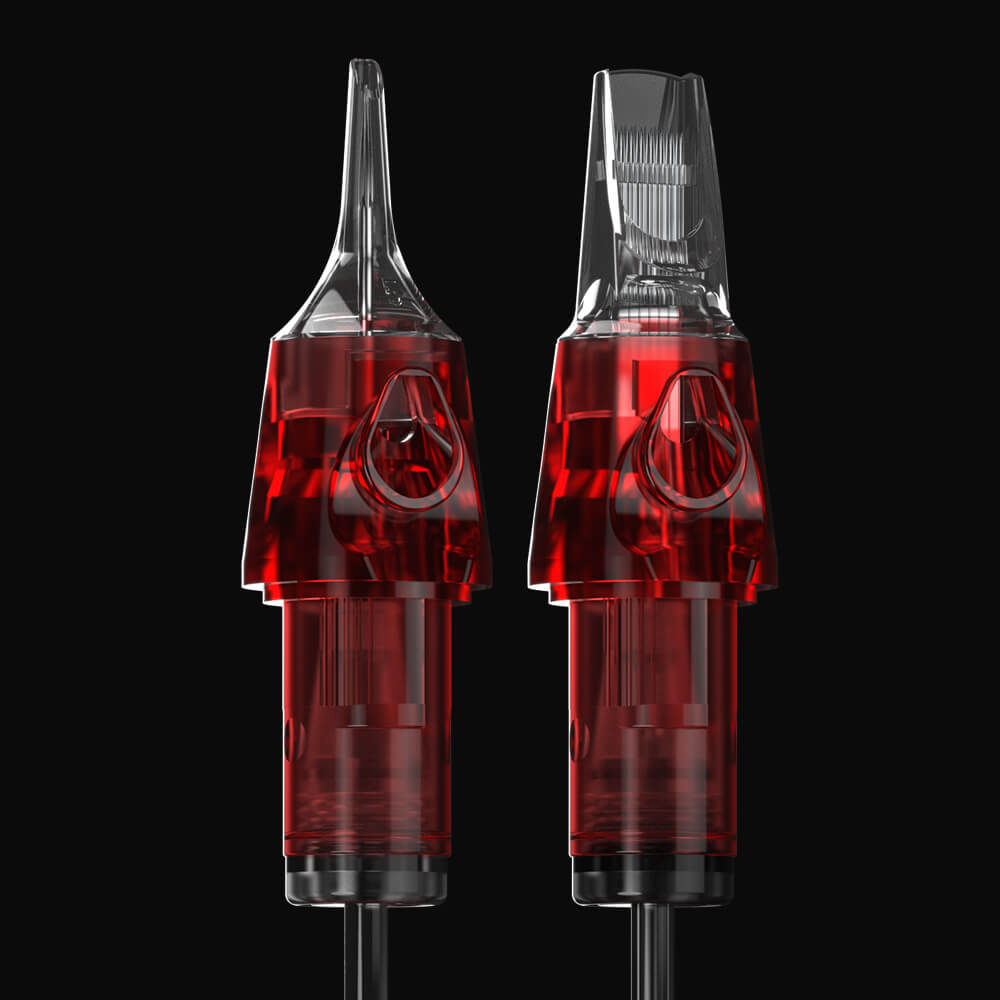
Riding the tube is a technique where the needle is set to protrude only about 2mm beyond the tip of the tube. When tattooing, the bottom of the tube rests directly against the skin surface, acting as a physical depth limiter as you work.
How It Works
Because the tube stays in contact with the skin, it naturally prevents the needle from going too deep. You're essentially using the tube itself as a guide rail — it glides across the skin while the needle does the work underneath.
The Advantages for Beginners
For anyone new to tattooing, this method offers one major benefit: safety. The tube acts as a built-in depth control, making it much harder to accidentally penetrate too deep and cause trauma to the skin. Practicing on fake skin with this technique is a low-risk way to build confidence and get a feel for machine handling without the pressure of potentially damaging results.
The Drawbacks You Need to Know
The downside is visibility. As the tube glides across the skin, ink tends to pool and smear around the contact point, creating a messy puddle that obscures your stencil lines. This makes it difficult to see exactly where your needle is at any given moment, which can lead to lines that don't connect properly or drift off the stencil.
To manage this, always dab — never wipe — when cleaning excess ink. Wiping will drag the stencil right off the skin. Even so, if your stencil adhesion isn't perfect to begin with, riding the tube will expose that weakness quickly.
What Does Floating the Needle Mean?
Floating the needle is a more advanced approach where the tube never touches the skin. The needle extends further from the tube, and depth is controlled entirely through hand pressure and finger placement rather than relying on the tube as a physical stop.
How It Works
With this technique, the tube never makes contact with the skin, so there is no physical boundary limiting how deep the needle goes. Instead, depth control comes entirely from your hand. A common grip is to hold the machine with the middle finger beneath the cartridge while resting the lower two fingers lightly against the skin — those two contact points become your tactile depth guide, giving you a consistent reference for how far the needle is penetrating with each pass.
Why Experienced Artists Prefer It
The biggest advantage is clarity. Because the tube isn't dragging ink across the surface, the work area stays much cleaner. You can see your stencil lines clearly at all times, and more importantly, you can see exactly where your needle is landing. This level of visibility makes a significant difference when working on intricate designs, tight curves, or areas that demand precision.
The result is cleaner lines, better consistency, and far greater control over the overall quality of the tattoo.
The Risk to Be Aware Of
Without the tube as a depth limiter, the margin for error increases. Going too deep becomes a real possibility if your hand control isn't solid, which can cause ink to blow out under the skin — a mistake that's permanent and difficult to correct. This is why practicing on fake skin before attempting this technique on a real client is non-negotiable.
Key Differences at a Glance
| Riding the Tube | Floating the Needle | |
|---|---|---|
| Depth control | Tube acts as limiter | Controlled by hand feel |
| Ink visibility | Often obscured by pooling | Clean and clear |
| Stencil visibility | Easily smeared | Remains visible |
| Blowout risk | Lower | Higher without proper control |
| Best for | Beginners building confidence | Intermediate to advanced artists |
| Suitable for detailed work | Limited | Yes |
Which Technique Should You Be Using?
The honest answer is: it depends on where you are in your tattooing journey.
Start with Riding the Tube
If you're brand new to tattooing, riding the tube is a reasonable starting point. It removes one major variable — depth — so you can focus on other fundamentals like machine angle, speed, and line consistency. The messiness is a trade-off worth accepting while you're still building your foundational habits.
Transition to Floating the Needle When You're Ready
Once you feel comfortable with the basics and confident in your hand control, floating the needle should be your goal. The improvement in line quality and work visibility is significant, and most professional tattoo artists work this way for good reason.
The key is to make this transition on fake skin first. Put in the repetitions, get a feel for maintaining consistent depth without the tube as a crutch, and only move to working on real skin once the technique feels natural.
Final Thoughts
Riding the tube and floating the needle are both valid approaches — they simply serve different stages of a tattoo artist's development. Starting with the tube gives you a safety net while you find your footing. Moving to floating the needle opens up a higher level of precision and professionalism in your work.
The progression from one to the other isn't a leap — it's a gradual shift that happens naturally as your confidence and control grow. Use fake skin, put in the practice, and don't rush the transition. The results in your linework will speak for themselves.