















How to Set Up Tattoo Needle Depth: A Complete Guide for Perfect Results
Getting the needle depth right can make the difference between a beautiful, lasting tattoo and a problematic one. Whether you're a beginner learning the basics or an experienced artist fine-tuning your technique, understanding proper needle depth setup is essential for creating quality tattoos that heal well and look great.
In this guide, we'll walk you through everything you need to know about setting up your tattoo needle depth, from the technical basics to practical adjustments for different situations.
Understanding Tattoo Needle Depth
Needle depth refers to how far the needle penetrates into the skin during tattooing. The sweet spot you're aiming for is the dermis layer, which sits just below the epidermis (the outer layer of skin).

The standard tattoo needle depth ranges between 1/16 of an inch to 1/8 of an inch, which translates to approximately 1.5mm to 2mm. This places the ink in the dermis layer, just below the epidermis (outer skin layer).
Here's why this specific depth matters:
- Too shallow: Ink deposited in the epidermis will fade quickly as skin cells naturally shed
- Too deep: Penetrating into the subcutaneous fat layer (hypodermis) causes excessive bleeding, scarring, and ink blowout
- Just right: Proper depth in the dermis ensures lasting color and clean healing

Just Right

Too Deep

Too Shallow
Think of it like planting a seed. Too close to the surface and it won't take root; too deep and it won't thrive. The dermis is that perfect middle ground where tattoo ink settles permanently.
How to Set Up Your Needle Depth
Setting up your needle depth involves adjusting how much of the needle extends beyond the tube or cartridge tip. Here's how to do it properly.
For Traditional Coil Machines with Tubes
Start by assembling your machine with the tube and needle bar properly installed. Hold the machine as you would during tattooing, and press the foot pedal to activate it.
With the machine running, observe the needle as it moves in and out of the tube tip. Adjust the needle depth by loosening the tube vice (the mechanism that holds the tube) and sliding the tube up or down along the needle bar.
The general rule is to set your needle so it protrudes about the thickness of a dime (approximately 2mm) beyond the tube tip when the machine is running at full stroke. For lining work, you might want slightly less protrusion, around 1.5mm. For shading and color packing, you can go slightly deeper, around 2-2.5mm.
For Rotary Machines with Cartridges
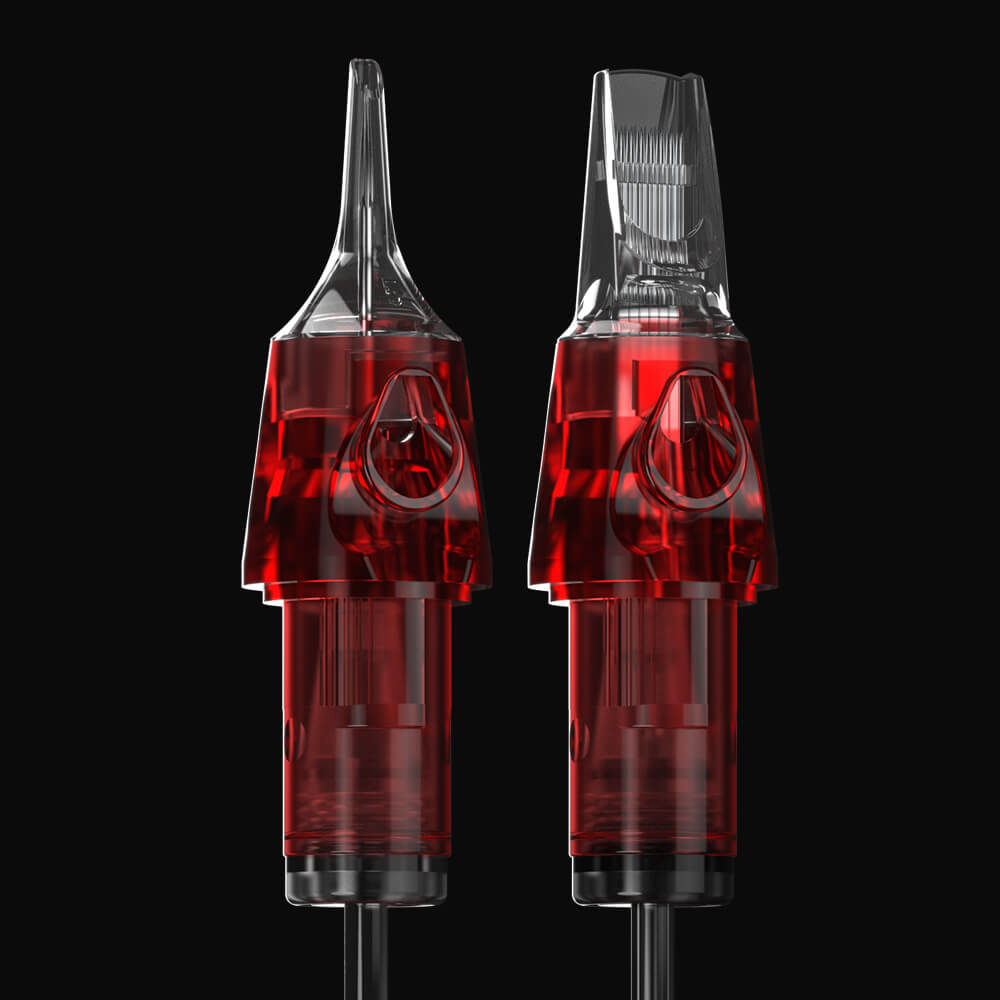
Cartridge needle systems have simplified depth adjustment considerably. Most rotary machines have a depth adjustment mechanism, often a dial or collar near where the cartridge attaches.
Insert your cartridge and turn on the machine. Adjust the depth setting while the machine runs, watching how much needle extends from the cartridge tip. Start conservative with less extension and test on practice skin before working on a client.
Adjusting Depth for Different Techniques
Different tattooing techniques require different needle depth settings. Understanding these variations will help you achieve better results across all your work.
Lining
For crisp, clean lines, you want your needle depth on the shallower end of the spectrum. Set your needle to protrude about 1.5mm from the tip. This gives you better control and prevents the needle from wandering, which can make lines look shaky or blown out.
Run your liner at a moderate to fast speed with smooth, confident strokes. The goal is to make a single pass that deposits solid ink without overworking the skin.
Shading
Shading requires slightly more depth than lining, typically around 2mm of needle protrusion. This allows you to work the ink into the skin more effectively while creating smooth gradients and solid fills.
For soft shading and gradients, you can use a lighter hand and less depth. For color packing and solid black work, you might push toward the deeper end to ensure good ink saturation.
Color Work
Color saturation often requires working at the deeper range of the acceptable depth spectrum, around 2-2.5mm. Colors, especially lighter shades, need to be packed into the skin thoroughly to show vibrantly and last well.
Be patient with color work and make multiple passes if needed rather than trying to go too deep in one pass. Building up color gradually produces better results than overworking the skin.
Factors That Affect Needle Depth
Several factors influence what depth setting will work best in any given situation. Learning to adjust for these variables is part of developing your skill as an artist.
Skin Type and Condition
Thicker, tougher skin (common on backs, thighs, and calves) may require slightly deeper settings. Thinner, more delicate skin (found on inner arms, ribs, and hands) needs a lighter touch with shallower depth.
Age also matters. Older skin tends to be thinner and more fragile, requiring gentler depth settings. Younger skin is typically more resilient and can handle standard depths more easily.
Body Location
Different parts of the body have different skin thicknesses. Areas with more fat and muscle underneath (like the outer arm or thigh) can generally handle standard depth settings. Bonier areas (ribs, feet, hands) need shallower settings to avoid hitting bone and causing excessive pain.
Areas where skin is stretched taut naturally (like the outer forearm) may need slightly deeper settings than areas where skin is looser (like the inner bicep).
Machine Settings
Your machine's voltage, speed, and hit strength all interact with needle depth. A harder-hitting machine will drive the needle deeper, so you might need less protrusion. A softer machine might need more needle extension to achieve the same effective depth.
Learn your equipment's characteristics and adjust your depth settings accordingly. What works perfectly on one machine might not translate directly to another.
Common Needle Depth Mistakes to Avoid
Even experienced artists can fall into bad habits with needle depth. Here are the most common mistakes and how to avoid them.
Going Too Deep
Overenthusiastic depth is one of the most frequent errors, especially among beginners who worry about the ink not staying in. Signs you're going too deep include excessive bleeding, significant skin trauma, and clients experiencing more pain than expected.
Too-deep tattooing often results in blowouts (where ink spreads under the skin creating a blurry halo effect), scarring, and prolonged healing times. It doesn't make the tattoo “more permanent”—it just causes unnecessary damage.
Going Too Shallow
Working too shallow is equally problematic. If you're constantly having to go over the same area multiple times and the ink seems to disappear or look patchy after healing, you're not penetrating deeply enough.
Shallow tattooing leads to faded, inconsistent results and requires more sessions to achieve proper coverage, which costs your client time and money.
Not Adjusting for Different Areas
Using the same needle depth setting for someone's ribcage as you did for their calf is a recipe for problems. Always assess the area you're working on and adjust accordingly.
Make small test marks in an inconspicuous area first to verify your settings before committing to visible work.
Inconsistent Depth During a Session
Maintaining consistent depth throughout a tattoo session is challenging but crucial. Fatigue, changing hand positions, and varying skin tension can all affect your effective depth.
Check your setup periodically during longer sessions and stay mindful of your hand pressure and machine angle.
Testing and Perfecting Your Setup
Before you work on any client, take time to test and refine your needle depth setup properly.
Practice on Fake Skin
Synthetic practice skin is an invaluable tool for testing needle depth settings. It responds similarly to real skin and lets you see the effects of different depths without risking a client's permanent tattoo.
Practice your lining and shading techniques, experimenting with different depth settings to see how they affect the results. Pay attention to how the ink flows, how much trauma you're causing, and how the final appearance looks.
Start Conservative
When working on a real client, always start with a more conservative (shallower) depth setting. You can always go slightly deeper if needed, but you can't undo damage from going too deep.
Make a small test mark in an area that will be covered by the tattoo and observe how the skin reacts before proceeding with the full design.
Listen to Your Machine
An experienced artist can hear when needle depth is right. The machine should have a smooth, consistent sound. If it's stuttering, struggling, or the tone changes dramatically, your depth may be off.
Learn to recognize the audio feedback your machine gives you and use it as a real-time guide during tattooing.
Observe the Skin's Response
Watch how the skin behaves as you work. You should see the needle entering the skin cleanly with minimal trauma. A small amount of ink and plasma coming to the surface is normal, but excessive bleeding or significant swelling means you're going too deep.
The skin should bounce back when you lift the needle away. If it stays indented or looks overly traumatized, adjust your depth or technique.
Tips for Maintaining Consistent Depth
Consistency is key to professional results. Here's how to maintain proper depth throughout your work.
Keep Your Hand Steady
Develop a steady hand position and use your pinky or ring finger as a guide against the skin. This creates a natural depth stop and helps you maintain consistent pressure.
Rest your hand on the client's body or use a stable anchor point to prevent wobbling or pressing too hard.
Stretch the Skin Properly
Proper skin stretching creates an even working surface and helps maintain consistent depth. Always stretch the skin taut in the direction you're working, using your free hand or asking the client to help with difficult areas.
Inconsistent stretching leads to inconsistent depth and uneven results.
Maintain the Right Angle
Hold your machine at approximately a 45-60 degree angle to the skin for most work (closer to 90 degrees for lining, shallower for shading). Changing your angle changes your effective depth even if your needle protrusion stays the same.
Keep your angle consistent throughout each pass and each section of the tattoo.
Take Breaks When Needed
Fatigue affects your ability to maintain consistent depth and technique. Don't push through when you're getting tired—take short breaks to rest your hand and refocus.
Your last hour of work should look as clean and consistent as your first.
Troubleshooting Depth Issues
Even with proper setup, you might encounter problems. Here's how to identify and fix common depth-related issues.
Ink Not Staying In
If ink seems to wipe away during tattooing or looks patchy immediately after, you're likely working too shallow. Increase your needle protrusion slightly (about 0.5mm at a time) and test again.
Also check that you're using proper technique with adequate skin stretch and appropriate machine speed.
Excessive Bleeding or Trauma
Heavy bleeding, significant swelling, or skin that looks chewed up means you're going too deep or being too aggressive. Reduce your needle protrusion and lighten your hand pressure.
Check that your needle isn't damaged or bent, as this can also cause excess trauma.
Blowouts
Blowouts happen when ink spreads under the skin, creating blurred edges or halos around lines. This usually results from going too deep, especially in thin-skinned areas or at the edges of lines where the needle enters or exits.
Reduce your depth, ensure you're not overworking areas, and be extra careful with entry and exit points on lines.
Inconsistent Color or Tone
Patchy shading or uneven color saturation often comes from inconsistent depth. Focus on maintaining steady hand pressure and consistent machine angle throughout your passes.
Multiple light passes at consistent depth produce better results than fewer heavy passes with varying depth.
Conclusion
Setting up proper tattoo needle depth is fundamental to creating quality tattoos that heal well and stand the test of time. While the general target is 1.5-2mm of penetration into the dermis, success comes from understanding how to adjust for different techniques, body locations, and individual client factors.
Start with conservative settings, test thoroughly before committing to visible work, and always prioritize your client's skin health over speed or convenience. With practice and attention to these principles, you'll develop the instinct to set your needle depth perfectly for any situation.
Remember that tattooing is a skill that improves with experience. Every client teaches you something new about how different skin types respond and how to fine-tune your setup for optimal results. Stay patient, keep learning, and never stop refining your technique.
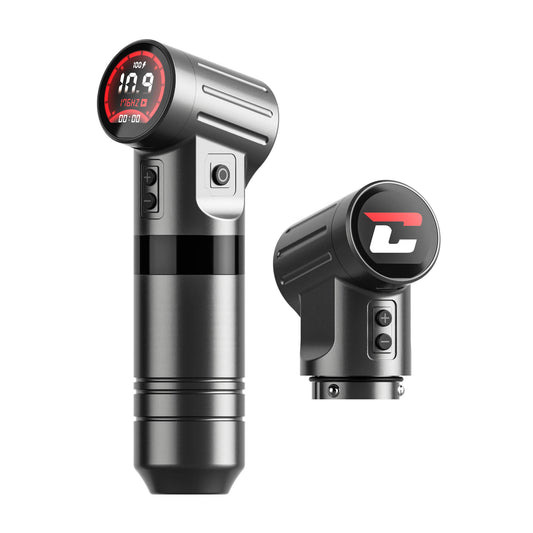
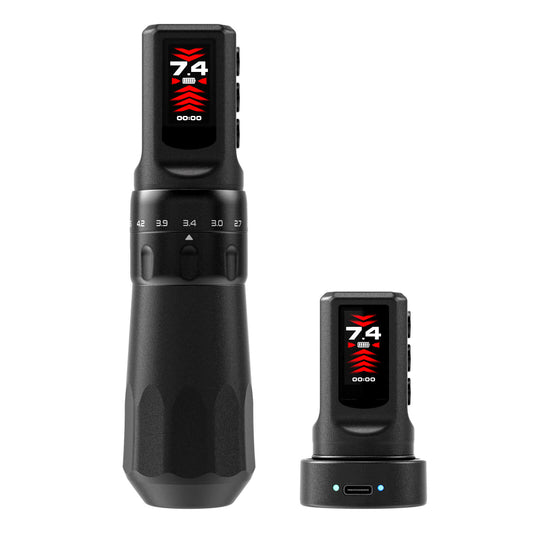
Ready to take your precision to the next level? The CNC Kronos Wireless tattoo machine is engineered to give you exceptional control over needle depth and consistency. Its advanced motor technology delivers smooth, reliable performance across all tattooing techniques, while the wireless design eliminates cord drag for better hand stability and ergonomics. Invest in equipment that supports your skill development and delivers the consistency your clients deserve.