















Tattoo Blowout: Complete Guide to Causes, Prevention, and Treatment
Introduction
You've just gotten a new tattoo, but instead of crisp, clean lines, you notice a blurry shadow around the edges. This frustrating phenomenon is called tattoo blowout, and it's more common than you might think. Understanding what causes this issue and how to prevent it can save you from disappointment and costly corrections down the road.
In this comprehensive guide, we'll explore everything you need to know about tattoo blowout—from the science behind why it happens to practical prevention strategies and available solutions if you're already dealing with one.
What Is Tattoo Blowout?
Tattoo blowout occurs when ink spreads beneath the skin's surface, creating a blurred or shadowy effect around the tattoo's intended design. Instead of staying confined to the precise lines your artist created, the ink disperses into surrounding tissue, resulting in a fuzzy, distorted appearance.
This spreading typically appears as a bluish or grayish haze around the tattoo edges, making the design look less defined and professionally done. While blowouts can happen to anyone, they're often preventable with proper technique and aftercare.
The Science Behind Tattoo Blowout
Skin Anatomy and Ink Placement
To understand tattoo blowout, you need to know how skin is structured. The skin consists of three distinct layers:
Epidermis: The outermost protective layer
Dermis: The middle layer where tattoo ink should reside
Subcutaneous tissue: The deepest layer, composed primarily of fat
Why Ink Spreads in the Wrong Layer
During a proper tattoo application, the needle deposits ink into the dermis. This middle layer has a structure that allows it to hold and stabilize the ink particles, keeping your tattoo sharp and well-defined.
However, when the needle penetrates too deeply and reaches the subcutaneous layer, problems arise. The subcutaneous tissue is a fatty area that lacks the structural components necessary to hold ink together. There's nothing in this fat layer to anchor or absorb the ink particles effectively.
When ink reaches this fatty tissue region, it behaves much like a drop of dye in water—it spreads, floats, and diffuses in unpredictable directions. Without anything to keep it in place, the ink cannot remain fixed and instead disperses into surrounding areas, creating the telltale blurry effect of a blowout.
Common Causes of Tattoo Blowout
Incorrect Needle Depth
The most frequent cause of blowout is improper needle depth. When an artist pushes the needle too deep into the skin, it penetrates past the dermis and deposits ink into the subcutaneous fat layer where it cannot be properly contained.
Artist Experience Level
Less experienced tattoo artists may struggle with maintaining consistent needle depth, especially when working on areas with varying skin thickness. Proper depth control requires skill, practice, and understanding of skin anatomy.
Challenging Body Areas
Certain body parts are more prone to blowouts due to their unique characteristics:
- Hands and fingers: Thin skin with less dermis
- Feet and toes: Similar structural challenges as hands
- Inner arms: Delicate, thinner skin
- Behind the ears: Very thin skin with minimal dermis
Skin Type and Condition
Thinner skin, whether due to genetics, age, or location on the body, provides less room for error. Older skin or skin that has lost elasticity is also more susceptible to blowouts.
Equipment and Technique Issues
Using incorrect needle configurations, improper machine settings, or applying excessive pressure during tattooing can all contribute to blowout risks.
How to Identify Tattoo Blowout
Immediate Signs
Blowouts can sometimes be detected immediately after tattooing, though they typically become more apparent during healing:
- Blurry edges around line work
- Ink appearing to "leak" beyond the intended design
- Shadowy halos surrounding solid areas
- Grayish or bluish discoloration near the tattoo
Blowout vs. Normal Healing
It's important not to confuse blowout with normal healing processes. During the first few weeks, tattoos may appear slightly blurry due to scabbing, swelling, and skin regeneration. A true blowout will persist after complete healing, typically 4-6 weeks post-tattoo.
Prevention Strategies
Choose an Experienced Artist
Your best defense against blowout is selecting a skilled, reputable tattoo artist. Research portfolios, read reviews, and don't hesitate to ask about their experience with the specific body area you want tattooed.
Consider Placement Carefully
If you're concerned about blowouts, avoid high-risk areas for your first tattoos. Choose locations with thicker skin like the upper arm, thigh, or calf where there's more dermis to work with.
Communicate with Your Artist
Discuss your concerns openly. A professional artist will understand skin anatomy and can adjust their technique based on your specific skin type and chosen placement.
Prioritize Quality Equipment
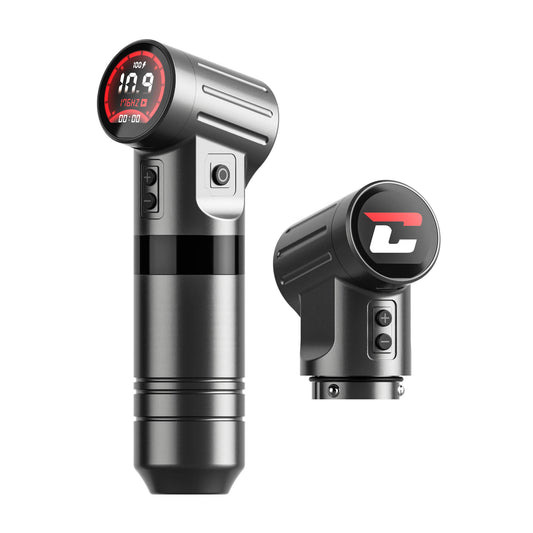
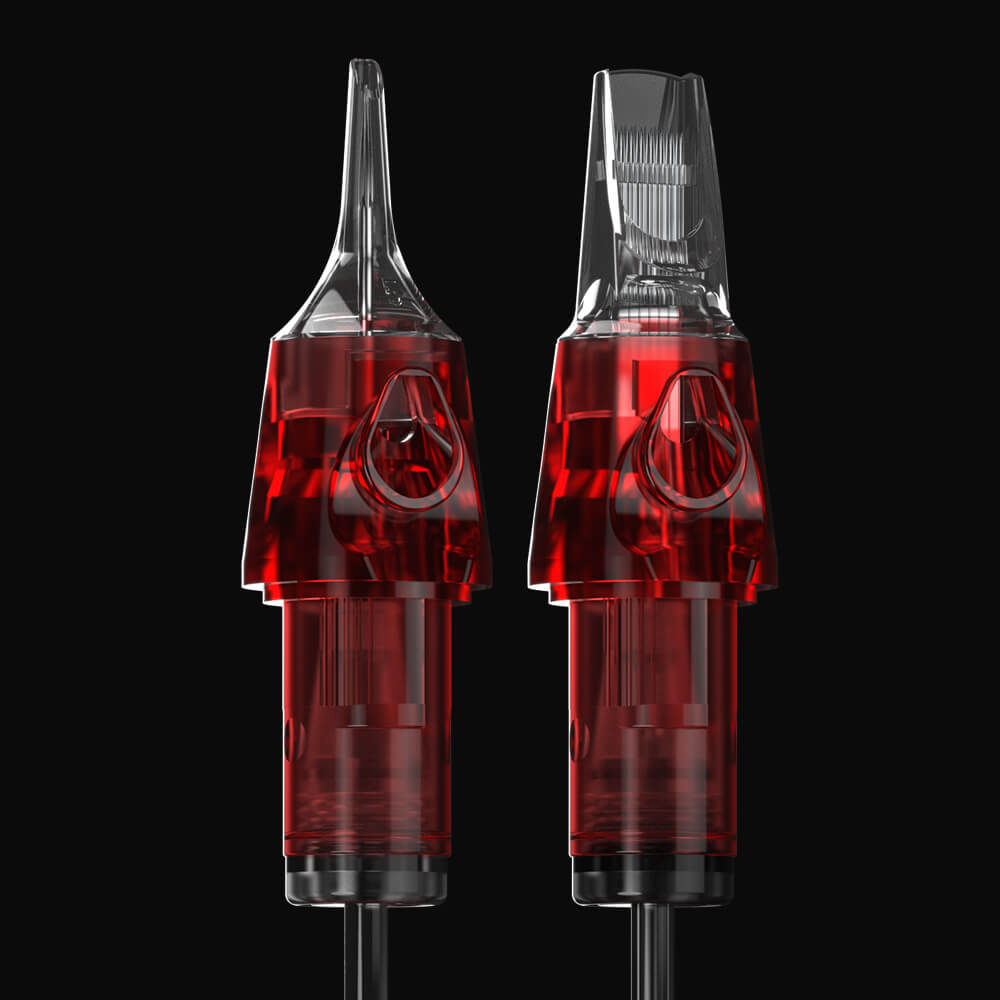
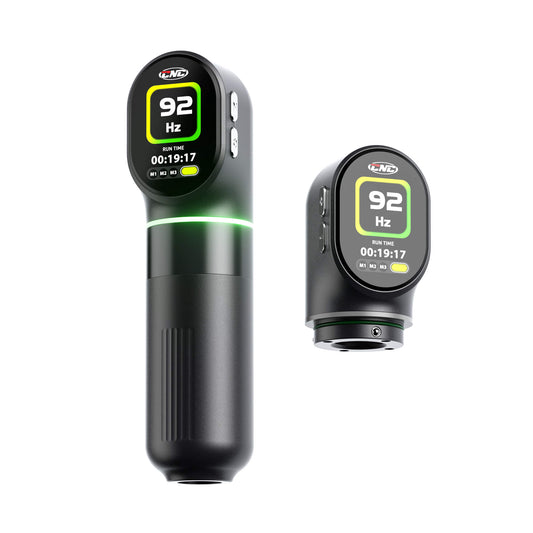
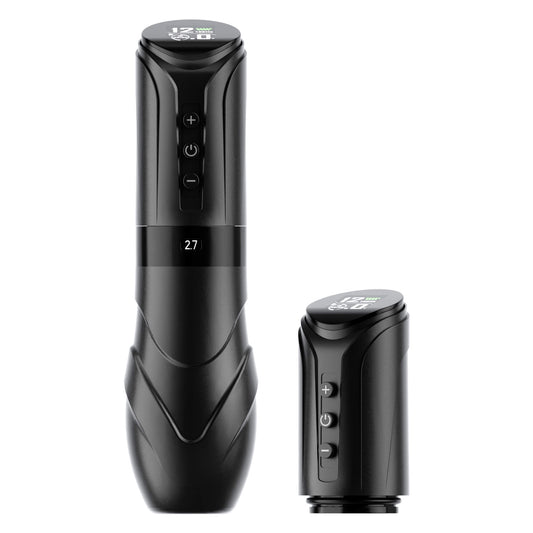
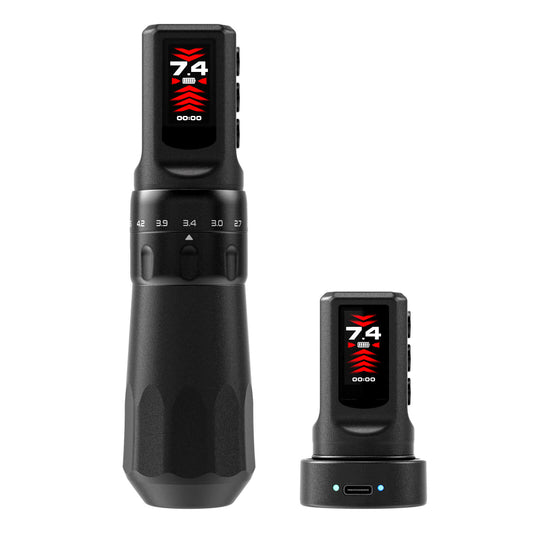
For tattoo artists, using precision equipment is crucial for preventing blowouts. The combination of advanced machines and premium cartridges makes all the difference in maintaining consistent needle depth control. The CNC Kronos wireless tattoo machine offers exceptional stability and reduces hand fatigue during long sessions, while CNC Police tattoo cartridges provide the tactile feedback and precision needed to stay within the optimal dermis layer. This equipment pairing is particularly valuable when working on challenging areas like hands, feet, or thin-skinned regions where blowouts are most common.
Avoid Bargain Shopping
Extremely low prices often reflect inexperience or corner-cutting. Quality tattoos are an investment—prioritize skill and hygiene over cost savings.
Treatment Options for Existing Blowouts
Laser Removal
Laser treatment can target and break down the dispersed ink particles. Multiple sessions are typically required, and complete removal may not always be possible, but significant improvement can be achieved.
Cover-Up Tattoos
A skilled artist can design a larger piece that incorporates or conceals the blown-out areas. This option works best when the blowout is relatively minor and the surrounding skin is healthy.
Surgical Excision
For small blowouts, surgical removal might be an option, though this leaves a scar and is typically reserved for extreme cases.
Frequently Asked Questions
Can blowout be fixed without laser treatment? Cover-up tattoos are the primary alternative to laser removal, though success depends on the severity and location of the blowout.
How soon can I tell if my tattoo has blown out? While some signs appear immediately, wait until full healing (4-6 weeks) before making any decisions, as initial swelling and inflammation can mimic blowout.
Are certain ink colors more prone to blowout? Blowout is caused by needle depth, not ink color. However, darker inks make blowouts more visible than lighter colors.
Does tattoo blowout hurt? The blowout itself doesn't cause pain beyond the normal tattooing process. It's purely a visual issue.
What equipment do professionals recommend to prevent blowouts? Many experienced artists trust precision equipment like the CNC Kronos wireless tattoo machine and CNC Police cartridges for their superior depth control and consistent performance, especially when working on delicate or challenging areas.
Conclusion
Tattoo blowout, while disappointing, is a preventable complication when you take the right precautions. By understanding the skin's structure and how ink should be properly deposited in the dermis rather than the subcutaneous fat layer, you can make informed decisions about your tattoo choices.
The key to avoiding blowout lies in selecting an experienced artist who understands skin anatomy, choosing appropriate placement for your first tattoos, and maintaining realistic expectations about what's achievable in high-risk areas.
If you're already dealing with a blowout, remember that effective treatment options exist, from laser removal to creative cover-ups. Whatever path you choose, approach it with the same care and research you wish you'd applied to the original tattoo.
Your body is a canvas, and with the right knowledge and professional guidance, you can ensure your ink stays exactly where it belongs—creating the sharp, beautiful designs you envision.